Red Flags to Watch For When Choosing Dementia Care Facilities
@louispubd598
Business Name: BeeHive Homes of Levelland
Address: 140 County Rd, Levelland, TX 79336
Phone: (806) 452-5883
BeeHive Homes of Levelland
Beehive Homes of Levelland assisted living care is ideal for those who value their independence but require help with some of the activities of daily living. Residents enjoy 24-hour support, private bedrooms with baths, medication monitoring, home-cooked meals, housekeeping and laundry services, social activities and outings, and daily physical and mental exercise opportunities. Beehive Homes memory care services accommodates the growing number of seniors affected by memory loss and dementia. Beehive Homes offers respite (short-term) care for your loved one should the need arise. Whether help is needed after a surgery or illness, for vacation coverage, or just a break from the routine, respite care provides you peace of mind for any length of stay.
140 County Rd, Levelland, TX 79336
Business Hours
Families usually begin searching for dementia care under pressure. A parent wanders outside in the evening, a spouse forgets the range again, or medication schedules become difficult to manage. When urgency increases, glossy sales brochures and warm trips can be persuasive. The job, hard as it is, is to look past the welcome cookies and see how a location truly operates at 10 p.m. On a Sunday, not simply throughout a Tuesday early morning tour.
I have actually strolled dozens of corridors in memory care and assisted living communities, from boutique homes with less than 20 beds to big campuses that handle every level of senior care. The best centers are not ideal. They fix problems quickly, inform the truth, and record well. The worst keep a great lobby and conceal the rest. What follows are the indication that matter most and how to find them before you sign.
The first 10 minutes tell you more than you think
The opening minutes of a visit typically foreshadow what life will feel like day after day. See who welcomes you. If the receptionist is missing out on, and a care assistant looks surprised to see you, it can suggest the front desk is understaffed. Take in the sounds. A calm hum is typical. Persistent yelling from the exact same voice throughout several visits recommends unmet pain or distress, not simply a "challenging resident."
Smells offer sincere feedback. A faint disinfectant odor is ordinary. A strong, sweet odor of urine in a number of areas indicate slow action times, poor incontinence assistance, or both. Also observe how quickly somebody responds to a call light. On a recent unannounced night visit, it took 19 minutes for a light to be addressed, and that resident mainly required assistance to the restroom. That hold-up can translate to falls and skin breakdown over time.
Staffing patterns you can verify
Staffing makes or breaks dementia care. Ratios are often marketed loosely. Ask specifically about direct care staff to resident ratios during days, nights, and nights, and whether the nurse on responsibility covers the whole building or simply memory care. A typical pattern is 1 assistant to 6 to 8 residents throughout the day in devoted memory care, 1 to 8 to 10 in the evening, and 1 to 12 or more overnight. Lower ratios can still be safe if locals are higher operating, but in practice, higher acuity needs more eyes and hands.

Red flags: dependence on agency personnel for more than brief bursts, aides who do not understand citizens by name, and a nurse who is only "on call." Firm staff have their place, yet regular use, week after week, destabilizes regimens. People coping with dementia need consistency to feel safe. Watch a shift change if you can. Good handoffs sound like a quick but focused exchange about hydration, discomfort, toileting, and any habits changes. Bad handoffs are quiet clock punches.
Training that goes beyond a binder
Almost every facility declares "continuous training." What matters is who teaches it, how typically, and whether methods show up on the floor. Ask the number of hours of dementia-specific training new aides receive before solo work. Ten to 20 hours of structured dementia care direction, plus watching, is an affordable baseline. Ask for examples: how do they approach a resident who withstands bathing, or one who starts out when startled?
Listen for methods with names and muscle behind them: validation therapy, Montessori-based activities for dementia, positive physical approach. You do not need the book meanings. You wish to see practices in action. If someone approaches a resident from behind or startsleads with "We need to take your pills assisted living BeeHive Homes of Levelland now," that is a training failure. If personnel kneel to eye level, utilize the individual's preferred name, and frame options just, that is training that stuck.
Care strategies that live off the screen
An excellent care strategy is not just an electronic document. It needs to show up in the rhythm of the day. Ask to see a sample care strategy, with names redacted. Strong strategies describe triggers and effective techniques. "Prefers tea before pills" or "Wanders midafternoon, redirects well with folding towels." Weak plans read like design templates: "Assist with ADLs. Offer activities."
I when consulted for a memory care unit where a previous accountant paced daily around 3 p.m., nervous till dinner. The group kept using crafts. Absolutely nothing stuck. When his daughter discussed he utilized to reconcile the checkbook at that hour, staff attempted an easy ledger task with large-print numbers. His pacing dropped, and so did evening agitation. That type of personalization must appear in care strategies, and you ought to hear about it when you ask.
Behavior support that is not just medication
Every memory care community will encounter exit-seeking, refusing care, or aggressiveness. How a group reacts states a lot about its approach. Initially, ask how typically the center uses as-needed antipsychotic medications, and how they track negative effects like sedation or falls. Antipsychotics can be appropriate in restricted circumstances, but when a system utilizes them broadly as behavior control, you will see drowsy citizens slumped in chairs and fewer spontaneous conversations.
Look for a constant procedure: eliminate discomfort, health problem, constipation, or urinary system infection, adjust environment activates like noise or lighting, and use recognized comfort activities before adding or increasing medications. Request for a story of a difficult behavior in the last month and how it was managed. If the response focuses just on prescriptions, and not the detective work that ought to come first, be wary.
Health and security are practices, not posters
Posters promise infection control. Routines provide it. Look discretely at hand hygiene. Do personnel wash or sanitize on entry and exit from rooms? Do gloves come off right away after care jobs? Throughout a breathing infection season, are there clear cohorting strategies, and have they practiced them? A facility that managed outbreaks well in the past will understand dates and lessons found out. Vague responses or defensiveness around past infections typically foreshadow poor transparency.
Falls occur in dementia care. What matters is reaction. Ask the number of saw versus unwitnessed falls taken place in the last 3 months in memory care, and what the leading 2 causes were. Ask what ecological changes followed. Rugs removed, better lighting, or raised toilet seats are tangible fixes. If you hear "We in-service 'd personnel" with no specific follow up, that is not enough.
Medication management without shortcuts
The med pass is among the most error-prone times of the day. Enjoy if you can. Are medications gotten ready for one resident at a time, or do you see multiple cups pre-poured and lined up? The latter welcomes mix-ups. Ask how typically they carry out medication reconciliation with the main clinician and pharmacy, and whether they track rejections. In dementia care, refusals are common. Proficient groups have strategies like using one pill at a time with pudding, spacing doses somewhat, or pairing tablets with a recognized pleasant routine.
Red flag patterns consist of frequent medication "losses," opioids that disappear without documents, and a high rate of late or missed out on dosages. An honest center will share mistake rates and the corrective actions they took. Be cautious if you are told "We do not have errors." Every great group discovers and fixes them.
Activities that match cognitive capability and individual history
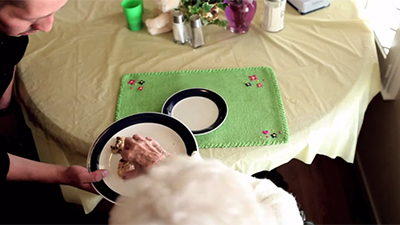
A dynamic activities calendar looks remarkable on paper. What you need to see is engagement during off hours and customizing by capability. People in moderate dementia can still enjoy purpose, but not if the task is too complicated or too childish. Look for sorting, music, mild workout, and brief group interactions. If you ask what Mr. Sanchez likes to do and the activity director responses, "He loves boleros, we play Eydie Gormé with Los Panchos during his shave," you are in excellent hands. If you hear, "We place on the tv after lunch," keep your guard up.
Walk the building midafternoon. Are homeowners dozing plunged in typical locations day after day, or moving through brief, structured activities? If you see personnel engaged one on one, even quickly, that signals a culture of connection, not just schedule fulfillment.
Dining that appreciates self-respect and hydration
Meal times can be chaotic or deeply reassuring. Red flags include trays dropped and run, purees without explanation, and locals left to eat alone when they might sign up with a small table. Many individuals with dementia eat much better when food is finger friendly, and when visual contrast helps them see it. White fish on white plates, for instance, tends to vanish. Ask if they track weight weekly for brand-new homeowners, then a minimum of regular monthly, and what the typical unexpected weight-loss rate is. Anything above 5 percent in a month needs prompt attention.
Hydration typically makes or breaks the day. Great memory care programs do drink rounds with purpose, providing choices and combining drinks with a short social interaction. If you see citizens with consistently dry lips, or if personnel can not find a resident's cup or describe a fluid plan, that is worth digging into.
Safe spaces that do not feel like warehouses
You do not want hotel elegant. You desire an environment your loved one can read. Hallways must have landmarks, not mirror-image doors that puzzle even staff. Signage requires big fonts and pictures. Lighting should be even, not dim corners with an extreme glare at the nurses' station. Listen to the door chimes. If they are consistent, and personnel appear numb to the noise, that alarm fatigue will infect other security routines.
Private rooms versus shared spaces is a trade-off. Personal spaces preserve personal privacy and often lower agitation. Shared rooms cost less, and for some extroverted locals, friendship assists. The red flag with shared rooms is privacy theater: thin drapes, no real storage distinction, and staff who enter without knocking. Whether personal or shared, restrooms need grab bars placed where an individual with poor depth understanding can intuitively find them.
Safety without restraint
Freedom of motion matters. Ask outright if the community utilizes physical restraints, and under what situations. The best response is that they do not, except in extremely uncommon, time-limited, clinically recorded scenarios. Lap belts in wheelchairs, tucked sheets, or deep recliners utilized to prevent standing are restraints by another name. So are locked "wander gardens" that are rarely opened. A genuine secure garden needs to be readily available daily in sensible weather condition, with seating, shade, and a basic walking loop.
Electronic monitoring, like wearable wander tags, can be valuable if used respectfully. Warning consist of staff relying on door alarms rather of engaging locals who are exit-seeking, or households being pressed into monitoring gadgets without discussion of alternatives.
Family communication that does not wait on a crisis
You must become aware of condition changes before you need to ask. A routine weekly touch point, even 10 minutes by phone, goes a long method. Ask what the standard is for notifying you about falls, new medications, health center transfers, or behavior modifications. If you are informed "We require everything," request examples. Too many calls can indicate panic or absence of triage, but silence types mistrust.
Pay attention to how the team handles argument. If you question a new medication and the nurse responds with, "The doctor bought it, there is absolutely nothing to go over," that rigidness does not serve anybody. You want a facility where your understanding of the person is dealt with as competence, since it is.
Costs, agreements, and the small print that bites
Pricing in dementia care looks uncomplicated until it is not. Lots of facilities quote a base rate, then layer on care levels or point systems for assistance with bathing, dressing, toileting, medication management, and behavior tracking. Ask for a written example of a month-to-month expense for somebody with needs comparable to your loved one, including 2 or 3 common add-ons. Clarify what occurs economically if care requirements increase rapidly. Is there a cap to the level system, beyond which your loved one need to move to a higher setting?
Watch for move-in fees that do not buy anything tangible, and for "community fees" that are nonrefundable even if the stay lasts just a couple of days. Check out the discharge clauses. Some agreements allow the facility to release with brief notification for "security" reasons without a clear procedure. A well balanced contract defines the steps for assessing danger, adding assistances, and involving family and clinicians before kicking out a resident.
Licensing, evaluations, and complaints data you can actually use
Every state manages assisted living and memory care differently. Still, you can usually discover recent inspections online. You are not searching for absolutely no citations. You are trying to find patterns. Repeated citations for medication mistakes, chronic understaffing, or failure to report incidents matter more than a single shortage about a broken grab bar.
Call your state's long-term care ombudsman. They are frequently ready to share broad impressions and patterns without breaking confidentiality. Once again, the theme is openness. A center that encourages you to evaluate public information is less likely to hide surprises.
Respite care as a low-risk trial
If you are not ready for an irreversible move, inquire about respite care remains that last a week or 2. Respite care lets you see how a location performs beyond the staged tour, and it gives your loved one a possibility to adapt. Take note of the 2nd or third day of a respite stay. After the welcome energy fades, regimens reveal their true shape. If staff maintain engagement and communicate with you, that bodes well for a longer placement.
Some households rotate between home and respite care to manage caretaker burnout. That can work if the center documents carefully and keeps a steady strategy ready to reboot. The red flag in respite arrangements is bad handoff back to home. If your loved one returns more confused, dehydrated, or with new contusions without a clear explanation, reevaluate that community.
When a location does not require to be best to be right
Perfection is not the goal. A location that calls you about little modifications, provides choices, and invites feedback will serve your family much better than a brand-new building with a day spa that runs on autopilot. Be open to senior care settings that change the environment and staffing as dementia advances. In some areas, a dedicated memory care system connected to assisted living provides enough support. In others, a specialized dementia care community within a nursing home is the much safer option for later stages or complex medical needs. Visit both if you can, and compare not just design however tempo and tone.
Questions to ask on every tour
- What are your direct care staffing ratios by shift in memory care, and how typically do you use agency staff?
- Tell me about the last significant behavior challenge you managed and what you attempted before altering medications.
- How do you embellish everyday regimens, and can you show me a redacted care plan with specific strategies?
- How quickly do you react to call lights on average, and how do you track and enhance that?
- What would a common month-to-month expense appear like for someone who needs help with bathing, dressing, toileting, and medication, and how can that alter over time?
Small indications that predict huge problems
I keep a mental shortlist of apparently small details that often predict deeper problems. Shoes without socks, particularly in winter season, recommend rushed morning care. Repeatedly unshaved faces in residents who historically took pride in grooming indicate job lists winning over dignity. Dust on ceiling vents indicates housekeeping is understaffed, and understaffing seldom stops with housekeeping. Empty hydration stations throughout visiting hours indicate a more comprehensive indifference to routines.
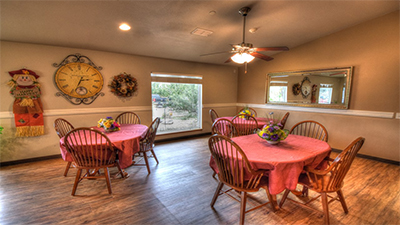
Noise narrates too. Tvs blasting in typical spaces, with no closed captions and nobody actually watching, suggest activity by default. A quiet corner with a puzzle half-completed, a bird feeder outside a window, or fresh flowers on a table are small investments that care groups keep up when they are not drowning.
Cultural fit, language, and faith traditions
Dementia care touches identity. Food, language, music, and faith rituals can ground somebody even as memory shifts. If your loved one prays the rosary nighttime, asks for halal meals, or speaks mainly in Cantonese when tired, call those needs early. Ask practical questions: Can the kitchen dependably prepare vegetarian or kosher alternatives? Do you have multilingual personnel on the unit over night? Will you accommodate a weekly hymn sing or visits from a clergy member?
Red flags consist of "We can most likely figure it out" without specifics. Great centers point to named staff, storage for religious products, or partnerships with regional groups. The payoff is not abstract. Individuals with dementia acquire the familiar. Get the familiar right, and lots of "habits" soften.
Transportation, visits, and the concealed burden
Families often assume the facility will handle medical appointments. Lots of do, but the logistics can be thin. Find out who schedules, who escorts, how they share updates, and how expenses are billed. If the plan is to put your loved one in a van alone to meet the doctor, expect miscommunication. In a strong program, a caretaker who understands the person's baseline goes to and brings a medication list and current vitals, then returns with composed guidelines. If the system depends on you to bridge all of that, choose whether you can and want to, and develop it into your plan.
Pain, teeth, and hearing
These 3 are under-recognized chauffeurs of distress in dementia. Ask how the community screens for pain when people have actually limited language. Simple tools exist, like facial expression scales, however they only work if used. Dental care is typically postponed. A location that collaborates mobile dental visits or has a plan for routine oral care will conserve you crises later on. Listening devices and glasses go missing out on. Excellent groups label them and examine healthy weekly. If you see a number of locals using the wrong glasses or no hearing aids throughout group discussion, engagement is failing the cracks.
End-of-life care that is not an afterthought
Dementia is a terminal condition. That hurts to face but clarifies planning. Ask how the center integrates hospice services and at what signs they initiate discussions about moving objectives. Lots of families bring hospice in when eating slows, infections recur, or distress grows. A facility experienced in this will discuss comfort rounds, family existence at odd hours, and sign management that decreases transfers to the hospital.
One daughter informed me the most significant assistance came when a night nurse pulled a second reclining chair into the room and set a little lamp low, then showed her how to moisten her mom's lips. That sort of information just shows up in places that have actually done this well many times.
A short field checklist before you decide
- Visit a minimum of twice, when unannounced and when during a meal or evening shift, and linger in the halls, not just the lobby.
- Ask to see the memory care system's activity in the middle of the afternoon, not throughout a scheduled event.
- Watch one care interaction start to end up, preferably bathing or toileting, if the resident consents and personal privacy is respected.
- Talk with a floor nurse and a care assistant, not just leadership, and ask what they are proud of and what they would change.
- Call your state ombudsman with the facility names and listen for patterns, not just a single story.
Choosing a dementia care community is not about finding a gleaming building. It has to do with finding a group that communicates, adjusts, and treats your loved one as an individual whose history still forms their days. If you hold that requirement, and you put in the time to validate what you are informed, you will spot the red flags early, and more notably, you will discover the daily green lights that signify a great fit: names remembered, preferred songs played, socks on the best feet, and a calm response when concern surface areas. That is the heart of quality dementia care, whether through devoted memory care, short-term respite care, or a more comprehensive senior care school that flexes with time.
BeeHive Homes of Levelland provides assisted living care
BeeHive Homes of Levelland provides memory care services
BeeHive Homes of Levelland provides respite care services
BeeHive Homes of Levelland supports assistance with bathing and grooming
BeeHive Homes of Levelland offers private bedrooms with private bathrooms
BeeHive Homes of Levelland provides medication monitoring and documentation
BeeHive Homes of Levelland serves dietitian-approved meals
BeeHive Homes of Levelland provides housekeeping services
BeeHive Homes of Levelland provides laundry services
BeeHive Homes of Levelland offers community dining and social engagement activities
BeeHive Homes of Levelland features life enrichment activities
BeeHive Homes of Levelland supports personal care assistance during meals and daily routines
BeeHive Homes of Levelland promotes frequent physical and mental exercise opportunities
BeeHive Homes of Levelland provides a home-like residential environment
BeeHive Homes of Levelland creates customized care plans as residents’ needs change
BeeHive Homes of Levelland assesses individual resident care needs
BeeHive Homes of Levelland accepts private pay and long-term care insurance
BeeHive Homes of Levelland assists qualified veterans with Aid and Attendance benefits
BeeHive Homes of Levelland encourages meaningful resident-to-staff relationships
BeeHive Homes of Levelland delivers compassionate, attentive senior care focused on dignity and comfort
BeeHive Homes of Levelland has a phone number of (806) 452-5883
BeeHive Homes of Levelland has an address of 140 County Rd, Levelland, TX 79336
BeeHive Homes of Levelland has a website https://beehivehomes.com/locations/levelland/
BeeHive Homes of Levelland has Google Maps listing https://maps.app.goo.gl/G3GxEhBqW7U84tqe6
BeeHive Homes of Levelland Assisted Living has Facebook page https://www.facebook.com/beehivelevelland
BeeHive Homes of Levelland Assisted Living has YouTube page https://www.youtube.com/@WelcomeHomeBeeHiveHomes
BeeHive Homes of Levelland won Top Assisted Living Homes 2025
BeeHive Homes of Levelland earned Best Customer Service Award 2024
BeeHive Homes of Levelland placed 1st for Senior Living Communities 2025
People Also Ask about BeeHive Homes of Levelland
What is BeeHive Homes of Levelland Living monthly room rate?
The rate depends on the level of care that is needed. We do an initial evaluation for each potential resident to determine the level of care needed. The monthly rate is based on this evaluation. There are no hidden costs or fees
Can residents stay in BeeHive Homes until the end of their life?
Usually yes. There are exceptions, such as when there are safety issues with the resident, or they need 24 hour skilled nursing services
Do we have a nurse on staff?
No, but each BeeHive Home has a consulting Nurse available 24 – 7. if nursing services are needed, a doctor can order home health to come into the home
What are BeeHive Homes’ visiting hours?
Visiting hours are adjusted to accommodate the families and the resident’s needs… just not too early or too late
Do we have couple’s rooms available?
Yes, each home has rooms designed to accommodate couples. Please ask about the availability of these rooms
Where is BeeHive Homes of Levelland located?
BeeHive Homes of Levelland is conveniently located at 140 County Rd, Levelland, TX 79336. You can easily find directions on Google Maps or call at (806) 452-5883 Monday through Sunday 9:00am to 5:00pm
How can I contact BeeHive Homes of Levelland?
You can contact BeeHive Homes of Levelland by phone at: (806) 452-5883, visit their website at https://beehivehomes.com/locations/levelland/,or connect on social media via Facebook or YouTube
Conveniently located near Beehive Homes of Levelland Alamo Drafthouse Cinema Lubbock a great movie theater with full food & drink menu. Catch a movie and enjoy some great food while you wait.